
Episode Overview
The world wants exponentially more electricity, and the industry that builds power projects doesn’t have enough people to deliver it. James Wiseman has spent 25 years getting energy megaprojects over the line (decommissioning, deepwater and subsea, Arctic developments, Tesla’s lithium refinery, and now Alaska’s most famous pipeline), and he walks Orion through what actually has to change: the stage gate gives way to a stream of activities, construction learns to behave like manufacturing, and the project manager becomes a coach. His first principles for scale never waver: good plans, and good people.
Good plans and good people
The stage gate got oil and gas this far. The demand wave ahead (LNG, data centers, renewables) needs a faster execution model, and the people to run it are the scarcest resource on the critical path.
25 years, every kind of energy project
Decommissioning to deepwater, exploration to the Arctic, Tesla’s lithium refinery to Alyeska Pipeline: James has ridden the bull from appraisal to startup, on both greenfield and brownfield.
A full tour of the transition
Solar’s 3× math, the storage problem, enhanced geothermal, modular fabrication, critical minerals, with career doors flagged along the way for anyone thinking about the energy business.
Every quote in this brief is transcribed from the episode and lightly condensed for readability: fillers and false starts removed, meaning untouched. Timestamps are approximate: they’re read off the working transcript, which runs a few minutes longer than the published 1h 20m cut, so they may drift slightly. Biographical details come from what’s said on the record, the show’s published notes and the guest’s LinkedIn bio; James speaks in a personal capacity, and nothing here should be read as the view of any employer, past or present. Banner photos are license-verified open images, with credits under Bookshelf & Links.
Episode Timeline
The conversation as it unfolded: eight chapters across the show’s four-act arc. The strip maps each chapter’s share of the runtime; click any block to jump to its chapter. Timestamps are approximate.
“There’s no big red easy button that you can push that says: execute project.” · James, on why getting the money is not the same as getting it built.
Act II is a five-chapter tour (scale, the mix, geothermal, AI & modular, leadership) before an advice act that keeps sparking new riffs all the way to the close.
The Welcome & the Résumé
Decommissioning to Alyeska in three minutes: a career told at speed, from West Africa to Russia to Texas.
Riding the Bull: Scale & Stage Gates
Why eight seconds is tremendously hard, why there’s no easy button, and how Tesla broke the gates down.
The Energy Mix: Solar Math, Storage & Lithium
The cave-diver problem, solar’s 3× rule, the battery-storage Wild West, and procurement as the bottleneck.
Hot Rocks: Enhanced Geothermal
Base-load power from oil-field skills, and the career doorway it opens for drilling engineers.
AI & Modular: Construction → Manufacturing
Needle-in-the-haystack analytics, auto-routed pipe, and 10,000-ton modules as bite-sized chunks.
Coach, Not Commander
Orion’s story of James de-escalating a crisis, and James’s playbook: ask, don’t tell; let ’em rip; stay optimistic.
The Next Generation & Moore’s Law for Energy
Say yes to everything, how James checked the Berkeley box, and why panels and batteries keep doubling.
Off-Grid, Critical Minerals & the Close
Costco generating its own power, cleaner ways to refine lithium, Alaska’s opportunity, and where to find James.
Who carried the mic
A guest-forward split measured across the full conversation. Word counts computed from the transcript.
The Guest · James Wiseman

James has spent more than 25 years in the upstream energy business, leading teams through every stage of major projects: appraisal to startup, greenfield and brownfield. He started in decommissioning, as he tells it on the show: three years as a project engineer with Winmar Consulting Services (1998–2001), planning the tear-down and reuse of offshore platforms and pipelines. He then pivoted to deepwater: eight years at INTECSEA commissioning pipelines on projects like BP’s Holstein and Thunder Horse, three as Hess’s subsea engineering advisor, and eight at Noble Energy, where he ran the Gunflint development in the Gulf of Mexico before leading engineering for exploration and new ventures. When Chevron acquired Noble in 2020 he stayed on as a senior project manager for the Eastern Mediterranean and the Leviathan gas development, then went north as Pikka Project Director and Senior Vice President of Santos’s Alaska business unit: the Arctic mega-project chapter he credits on air to “Oil Search and Santos” (his bio records it under Santos), and where he and Orion first worked together. From there: Tesla, integrating the teams building the company’s first lithium refinery in Corpus Christi, Texas (2023–24); a stretch of renewable-energy consulting; and, since early 2025, Anchorage: Special Projects & Portfolio Group Manager at Alyeska Pipeline Service Company, the operator of the Trans-Alaska Pipeline. He holds a B.S. and an M.S. in civil engineering from UC Berkeley (structural, offshore and construction engineering) and speaks here in a personal capacity.
“Projects are built by people, a hundred percent. They don’t build themselves.”James Wiseman · on the show, ~42:50
The path, in his own telling
Sequence from the conversation (~0:39–2:50 and ~57:45–59:00), with dates and employers confirmed against James’s LinkedIn bio. The full role-by-role record is charted below.
“I grew up working on boats and fishing… I saw that there was offshore engineering and I just checked the box.” First job out: a stint as a bridge engineer, “the bridge is over water.”
“A little bit of the end-of-life kind of stuff early in my career”: learning energy from the tear-down end first.
The mega floating facilities that hooked him: projects in 8,000 feet of water, 10,000-ton modules on the move.
“I got to see the drivers of what makes a good energy lease, and how to get into them.”
Arctic major projects in Alaska, the chapter where James and Orion shared a project trench.
“The integration of all the teams for their lithium refinery down in Texas”: full speed ahead, no stage gates.
A working tour of solar, storage and the new grid, including Costco sites that generate their own power.
“Now I’m back in Alaska”: at the company that runs the Trans-Alaska Pipeline System.
Career journey
Role-by-role from James’s LinkedIn bio. The renewable-energy consulting he mentions on air sits in the gap between Tesla and Alyeska (mid-2024 → early 2025); the Arctic chapter he credits on air to “Oil Search and Santos” appears on the bio under Santos.
The record, on the record
- Stages
- Has led teams through all stages of major projects (appraisal to startup) across greenfield and brownfield developments.
- Geographies
- West Africa, Russia, Alaska, Texas and offshore: “I’ve been all over the place.”
- Specialties
- Deepwater and subsea execution, Arctic logistics, modular fabrication, and team integration on first-of-a-kind builds like Tesla’s lithium refinery.
- Education
- B.S. and M.S. in civil engineering, University of California, Berkeley: structural, offshore & construction engineering.
- Industry
- Board member & session chair, Subsea Tieback Forum; oil-&-gas representative on a National Marine Sanctuary Advisory Council (2012–2018); project-training leader for Equatorial Guinea’s Hydrocarbon Ministry delegates (2019–20).
Voice & how to find him
- The style
- Optimist by conviction: “People would never do projects if they weren’t optimists… when people work together as a team, there’s really nothing they can’t do.”
- Find him
- James Wiseman on LinkedIn · “There aren’t a lot of James Wisemans on there. I actually do look like my picture, which is sometimes rare.”
The Host · Orion Matthews

Orion is an award-winning programmer, entrepreneur and technology executive who has spent the last decade in the engine room of major capital projects. He founded Queryon in Washington, D.C. in 2015 with a focus on data analytics and software for the construction industry, starting with bellwether client BP, whose project-controls solutions his team deployed globally, from the North Sea to Azerbaijan to Houston. Today he's a recognized expert in PMO data analytics and project-controls reporting, serving billion-dollar portfolios for owners including BP, Santos, Balfour Beatty and Turner & Townsend, a regular speaker at major industry conferences on AI and analytics in capital projects, and the host of this show.
Why this pairing works
- Shared trenches
- Orion and James worked together at Santos, and this episode’s leadership chapter opens with Orion’s own story of watching James walk into a crisis meeting and de-escalate it (~41:00).
- Agile, translated
- Orion lived software’s waterfall-to-agile transformation; James is watching energy attempt the same move on billion-dollar hardware. Their Scrum-vs-stage-gate exchange (~8:20) is the episode’s sharpest thread.
Beyond the PMO
- The builder’s arc
- Founded Introspect Software out of high school; built and sold Design-PT (acquired 2015). His software has run from McMurdo Station to aircraft carriers, with write-ups in Scientific American, CNN and Maxim, and a BP Helios Award.
Riding the Bull: Scale & the End of the Stage Gate
Orion opens with the question the whole energy world is asking: how do you scale fast, and how do you do it right? James starts by dismantling the comfort blanket (the stage-gate process the industry spent 25 years perfecting), and lands on why Tesla’s lithium refinery ran on a different clock entirely.
“Getting a project over the line is really, really hard. They call it riding the bull: you’re trying to stay on the bull and keep the project on track for just eight seconds. People fall off all the time, and people always ask: why did you fall off the bull? Eight seconds, it’s not that long. Can’t you get this done? It’s just tremendously hard.”James Wiseman · ~4:20
The people paradox
“It’s a very strange time: you have the traditional oil companies shedding people, and then you’ve got the other companies that are just desperate for people. If you look at the number of LNG liquefaction plants sanctioned right now or in FEED, and how many are gonna be built in the next five years: there just aren’t enough people. And that’s not counting the data centers.” ~6:10
The Tesla clock
“Once they knew they were gonna do the project, it was not a question of ‘there’s 16 different ways to do this, if we improve this one a little, we’ll get one more percent rate of return.’ It was: no, we are going full speed ahead. The new way of executing is: what can we do, and what can we buy, to accelerate the project?” ~7:15
- The stage gate’s promise, punctured: “You just follow these steps and your project is gonna go great, right? And it’s just not the case, because projects are planned and built by people.” ~3:50
- “There’s no big red easy button that you can push that says: execute project”: permits, financing and sanction take years before anyone gets to go fast. ~5:35
- Blurring the gates: “I just think of it as a stream of activities now… the engineering phase is not necessarily to deliver the best 100% detailed design package; it needs to be sequenced to order materials and keep materials flowing into the project.” ~7:55
- Orion maps waterfall-to-agile from software onto stage gates, and asks whether energy will accept a cost range instead of a final number. ~8:20
- Why the old model can’t just be exported: “They tried to do renewable energy projects like oil and gas projects. And who’s gonna hire an oil company and give them money to do a project that old-fashioned way? It’s just not gelling.” ~9:35
- The first-mover prize: “The prize is so big to be the first mover that it really isn’t as important to have a perfectly cost-controlled project as it is to be first”: LNG Canada’s first cargo as the live example. ~11:00
- The chapter’s landing: “How do you scale? You just need to have good plans and good people, that’s my first principles.” ~12:00
The “5,000 data centers built over the next five years” figure is Orion’s from memory. He flags it himself (“maybe that’s a little high, but somewhere in that neighborhood”). Treat it as directional, not precise.
The Energy Mix: Solar Math, Storage & the Lithium Race
James is passionate about renewables, “and it’s not because I’m an evangelist.” It’s arithmetic: the world needs vastly more electricity, and every option is needed at once. This chapter is the episode’s field guide: solar’s produce-three-times rule, the battery-storage land grab, the majors moving into lithium, and why procurement is the bottleneck nobody can plan around.
“We need so much more electricity right now: we’re like a cave diver, and we’ve gone all the way into the cave, and we might not have enough air to make it back out again.”James Wiseman · ~13:10
Solar’s 3× rule
“You really only get about eight hours a day of really nice energy production, and electricity has to be 24/7. So with solar you have to produce three times the energy you need in an eight-hour period, and that’ll just get you to the next day.” Long-duration storage? “We’ve barely scratched the surface.” ~15:30
The storage Wild West
“Battery storage is kind of like the Wild West. People have been going out there like landmen trying to buy land near electrical substations, pretty much all bought up now.” There’s an intense commercial layer major-project people rarely see. ~19:55
- Rate-payer politics in one line: “If our electric bills start going up ’cause of these data centers, people are gonna be pissed.” ~13:25
- The majors move on lithium: Exxon first in Texas and Arkansas, Chevron announcing the week of recording, with a former Noble colleague of James’s heading it up. “It’s a very small world in the energy business.” ~14:45
- “We need everything on the list”: intermittent wind and sun on top, base load underneath: nuclear, geothermal, natural gas combined cycle. “If you look at electricity demand curves, we just need everything.” ~17:10
- A solar farm through oil-and-gas eyes: “Instead of drilling and completing 16 wells with hundreds of frack stages each, you’ve gotta get really good at planning and installing thousands of solar panels”, and utility-scale solar is priced “down to the penny” per kilowatt-hour. ~18:50
- The grid queue: high-voltage connections are “extremely high demand and long lead time… a grid tie could take five or six years to get all the way through to where you can actually close the switch.” ~21:20
- Procurement as the bottleneck: transformers and electrical components where “demand is outstripping supply,” tariffs reshuffling order books overnight: “the companies that aren’t getting tariffed, everybody wants to buy from, so their lead time just went through the roof. To plan and execute, you want predictability.” ~22:10
- The Megapack example: tractor-trailer-sized batteries, ~1.3 MWh each: “when the administration changed, those things went in high demand. If you didn’t have your order placed, it was pretty tough.” ~23:50
James mentions news from the week of recording that the UN was treating natural gas as a low-carbon or “kind of a green fuel” when it displaces coal. Recalled on air, not sourced. Treat the characterization as directional.
Hot Rocks: Enhanced Geothermal
“It’s super hot right now, that was a good pun.” James isn’t a geothermal specialist and says so; he’s an energy-projects lifer who has studied it because it checks every box: base-load power, no CO2 at the point of production, and a skills profile lifted straight from America’s unconventional oil playbook. This chapter doubles as the episode’s best career signpost for oil-field talent.
“It has all of the makings for a really good energy system for us, and it uses the skills we’ve developed in this country over the last 50 years in the oil business, especially the last 15 in unconventional. And it’s base-load energy.”James Wiseman · ~24:30
EGS in a nutshell
“You still drill two wells and you fracture, but you inject water down one well, pump it through the rock through the fractures you’ve made, turn it into high-energy steam, and bring it up the other well. That’s enhanced geothermal in a nutshell.” ~25:45
The catch: 700°F
“You have to get much, much hotter than boiling water: a good number for steam in a power plant is around 700°F. And drilling and completion equipment from the oil field is just not there for that kind of temperature use yet.” The rock is different, too. ~27:15
- “What is the coolest renewable energy mix right now? It’s one that’s close to oil and gas but produces energy without producing CO2. It’s got all the ingredients; I think it’s really gonna take off.” ~26:30
- Who to watch: an enhanced-geothermal developer in Houston that has “attracted a bunch of interest, a bunch of capital”: Fervo Energy, whose EGS projects James points listeners to. ~26:10
- Where the heat is: the Pacific Rim’s ring of fire, and, “believe it or not,” even the Permian gets pretty darn hot when you get down. ~26:50
- The career doorway: reservoir-style thinking ports over: “instead of looking for oil… this is about heat and heat flow, and what the equipment and drilling will cost. It really ports over a lot of the people from the oil field.” ~28:15
- His 10,000-foot career advice, delivered here: “If you like science and math, go to college, become an electrical engineer. If you don’t wanna go to college, become an electrician. We need those people so badly in this country. The world needs them.” ~29:15
AI & Modular: Turning Construction into Manufacturing
“Watts for bots” gets a laugh. Then the conversation turns serious: AI as a way to find what’s going wrong on a thousand-person project, software that should be routing pipe automatically, and modularization as the fifty-year answer to construction’s flat productivity curve.
“Improvement in construction efficiency over the last, just pick 50 years, it’s not improved a lot. And manufacturing has improved dramatically. That’s one of the things about modularization that’s cool: turning part of the project into manufacturing.”James Wiseman · ~34:15
AI’s first job: the haystack
“Finding the needle in the haystack of what’s going wrong on a project is very difficult… especially when you can’t be everywhere all the time, talking to people, getting the real gist of how things are going. I see a lot of room for it to help us there.” ~32:40
The pipe-routing question
At Tesla, a leader asked the team: “Why isn’t there a software that can just automatically route and design all this pipe for us?” James was asking himself the same thing: “why are people clicking from pipe support to route pipe these days?” ~33:10
- Why modules exist at all: “You lift a 10,000-ton module onto a floating platform… you build it one place, you bring it there, you put it onto the platform, because you can’t get the people there.” ~35:15
- When to decide: “This is definitely the planning phase… and modularization isn’t gonna help you if every yard that builds modules is chockablock full building LNG plants.” ~37:40
- The honest downside: “A lot of times you have to ship a module before it’s done”: seasonal windows, permit clocks, and the extra structural steel you pay to lift the thing. ~38:25
- The business case, sketched: 60,000 barrels a day ≈ 20 big modules, or three super-mega modules offshore: “you look at the cost and how much faster you can do it, and there’s usually an immediate value addition there.” ~39:10
- The caveat that shows his stakeholder instincts: an all-overseas module strategy can leave “five full-time jobs to hook ’em up” locally: “there’s intrinsic value in having the local people involved and invested in the success of the project.” ~40:20
Coach, Not Commander
Orion sets this chapter up with a first: James is the only guest so far he has actually worked under. He tells the story of a crisis meeting James walked into and calmly de-escalated (“let’s just pause and make sure we do this right”), then hands him the mic on how to actually lead the teams behind tomorrow’s power projects.
“I don’t believe the traditional command-and-control leadership style is a great way to work going forward. People have lots of choices about where they wanna work, and people wanna be a valuable member of a team. The project manager is almost like a coach at this point: if you’ve got a really good team, you’re just helping them drive toward the goal line.”James Wiseman · ~43:10
The first-meeting ritual
“When I set up a team, I go through it with everybody: if something’s going wrong, do you want me to text you, call you, email you? When’s a good time? And it goes both ways: you wanna communicate the way people like to communicate.” ~43:30
Control without micromanaging
“In major projects you do have to be controlling the project and moving it forward… it’s about helping the teams see the milestones coming up and getting everything lined up to hit those. Then you can kind of just let ’em rip.” ~44:40
- The line that anchors the episode: “Engineers aren’t always viewed as the most empathetic people… but projects are built by people, a hundred percent. They don’t build themselves.” ~42:45
- Careers inside a five-year build: “There are just very few people coming into the workforce that wanna do the same thing for five years. Can you imagine?” So he moves people around as phases change. ~45:45
- Optimism as a job requirement: “People would never do projects if they weren’t optimists… when people work together as a team, there’s really nothing they can’t do.” ~46:00
- How engineers learn the soft skills: not from a book: “ask a lot of questions… that’s how you find out what’s important to everyone.” And the humbling rule: “a lot of times the best technical solution is not the best overall solution.” ~47:50
- Stakeholders decide success: “If you successfully complete a project and meet all your targets, but the people interacting with or benefiting from your project aren’t happy, you may not be successful.” ~48:20
- The hallmark: “You want everybody, that’s worked on the project, that’s benefiting from it, that lives nearby, to be proud of that thing you did. That is your hallmark of success.” ~50:50
- The Tesla melting pot: Sparks battery-factory veterans, Exxon chemical-plant operators, upstream people like him: “the key to success is being willing to learn how the other people do things.” His own lesson: “we’re not making high-pressure flammable fluids, we’re making lithium hydroxide. Nothing was gonna blow up. I learned that by talking to everybody.” ~53:20
The Next Generation & Moore’s Law for Energy
The advice act, and the episode’s most personal stretch. James talks to the students and career-changers directly: engineers are problem solvers, the energy business has more problems than people, and the way in is to talk to the people doing the work. Then a question about his own start reignites the conversation into a closing riff on why panels and batteries keep doubling.
“Engineers are problem solvers, and there are so many problems facing humans and the planet right now. Having enough energy is one of ’em, but there are so many other ones… If you don’t know what you wanna do, but you like solving technical problems, there are so many opportunities out there.”James Wiseman · ~55:15
How he got in: “I just checked the box”
“I grew up working on boats and fishing… when I looked at the college applications and saw there was offshore engineering, I just checked the box. Naval architecture and offshore engineering, check. That’s literally how I got into Berkeley.” Then deepwater called: floating facilities in 8,000 feet of water, crane vessels approaching 20,000-ton lifts. ~58:00
Let the new generation redesign the work
“If they see a way of doing things that they think is dumb, they’ll just wanna do it a better way… You just have to say: this is the goal; you guys are much better than me at innovating. Go forth and do it. People are just incredible at finding really cool ways to do things.” ~1:00:00
- The talent-market riddle: “Electricians are in high demand and nobody wants to become an electrician… there’s not that meeting of supply and demand for talent right now. Finding out what you’re curious about is probably more valuable than any training class or job board.” ~57:10
- Why solar and batteries keep accelerating: unlike wind turbines (big mechanical devices with limited headroom), “with microelectronics, solar panels and batteries, there really isn’t a limit there… If you look at a solar panel from five years ago, size, cost, output, and compare it to one today, it’s amazing.” ~1:01:45
- The camper-battery proof point: an LFP battery that “used to cost a thousand dollars, big and heavy, now $300, small and light. And that has happened really quickly.” ~1:02:20
- The panel-swap trick early adopters are discovering: same roof, same rack, same size panels: “unplug your old panels, bolt down your new panels, and you can double your production. It makes economic sense.” ~1:03:50
- The honest physics check: “A gallon of diesel fuel just kicks the butt of every other kind of energy storage right now… are we ever gonna have an electric boat or an electric aircraft? That energy density may just never be there.” ~1:05:30
- His definition of arrival: “When people don’t even notice what kind of energy they’re using is when you know it’s succeeding”: chargers on every corner, AAA already towing battery trailers to stranded EVs. ~1:06:30
The “Moore’s law doubles every seven years” period is Orion’s recollection mid-conversation, and James says on air he doesn’t recall the period either. The doubling pattern in panel output and battery cost-per-capacity is the point. Treat the specific period as directional.
Off-Grid, Critical Minerals & the Close
The wrap-up act refuses to wind down. James remembers a project he forgot to mention (Costco generating its own power because the grid can’t keep up), and the thread unravels into the episode’s final frontier: the materials underneath the whole transition, the dirty and clean ways to refine them, and why he thinks Alaska is sitting on the opportunity.
“Costco is building so fast, they could not get enough electricity to their facilities. So they just said: we’re gonna generate our own where we can… they just can’t do that five-year wait to get a five-megawatt electricity connection. When you’re not even connected to the grid anymore, then you know you’re winning.”James Wiseman · ~1:10:50
The materials wall
“We just need so much more copper than anybody can mine and make right now.” And the rare earths? “Some of those are not actually rare: lithium is everywhere. But getting it into a form you can use in a battery is difficult. It takes a lot of processing.” ~1:13:30
Dirty vs clean refining
“A lot of mineral processing uses an acid-roasting step, and you end up with a huge waste product… There are dirty ways to do it, and there are a few much cleaner ways invented recently, and really we need to pivot to those.” Tesla’s pressure-leaching route for lithium (discussed publicly, he notes) “is really awesome. More people should do that.” ~1:15:50
- Orion’s image for where the grid is heading: from one massive controlled system to distributed generation: “we all have mitochondria in our body; that’s probably where we’ll end up on a civilization-wide scale.” ~1:11:50
- Direct lithium extraction and modern absorption media (“a really cool field right now to get into”), explained via activated carbon in ninety seconds. ~1:18:00
- From a presentation he’d just given: search the critical-minerals list: “everyone on the list is found in Alaska.” ~1:15:20
- The onshoring case: “If you were to throw down a big curtain at the Pacific and a big curtain at the Atlantic, we would have trouble building what we need… We’re smart, we’ve got people that wanna do it, we just need the drive to do it ourselves. It’s a little bit of a dirty job, and we should want to do some dirty jobs like this. It’s gonna be good for our country and good for our kids.” ~1:21:30
- Orion’s counterweight from Oregon: lakes full of 19th-century tailings and long-gone companies: the remediation cost nobody modeled. “You don’t wanna socialize those losses when there’s a better option.” James: “A hundred percent behind that.” ~1:19:50
- The close: “I’m really easy to find on LinkedIn: there aren’t a lot of James Wisemans on there. I actually do look like my picture, which is sometimes rare.” ~1:23:20
The Big Ideas
Three ideas carry the episode. Sketched here the way a project-services team would whiteboard them.
Energy’s execution model was built for certainty. The demand wave rewards speed, so the gates blur into one continuous flow of doing and buying.
The stage-gate era (last 20–25 years)
- Plan → scope → engineer a 100% design package
- Then buy materials, hire contractors, build
- “Follow these steps and your project is gonna go great, and it’s just not the case”
The stream of activities
- Blur the gates; sequence engineering to keep materials flowing
- Go as fast as the project is good
- The first-mover prize outweighs a perfectly cost-controlled plan
Why storage, not panels, is the real project. Solar gives you eight good hours; the grid needs twenty-four.
James’s first principles for scale, as a 2×2. Both inputs combine to make the culture that gets a project over the line. Quadrant labels are our sketch of his framing.
The mixture that rides the bull the full eight seconds: “both combine to make the project culture for a good project.”
The plan can’t execute itself: “projects are planned and built by people.”
Heroics on a bad map: talent burns down fighting sequence, scope and procurement.
Eight seconds you never survive: the bull wins.
Bookshelf & Links
Everything recommended or pointed to in the episode, plus where to find the people and the show.
James’s bookshelf & pointers
- The book
- How Big Things Get Done · Bent Flyvbjerg & Dan Gardner. “Kind of a cool book, talks through a lot of project failures and why they failed, the prototyping you can do, and how to plan. But you really have to practice.” ~49:10
- Conferences
- The Offshore Technology Conference, renewable-energy conferences, and Alaska’s own local renewables conference every April or May: “a fantastic conference.” “The best way to decide what you wanna do in the energy business is to talk to people that are doing it.” ~30:05
- Who to watch
- Fervo Energy, the Houston enhanced-geothermal developer James points listeners to: “they’ve attracted a bunch of interest, a bunch of capital… you can read more about it on their site.” ~26:10
- Just for fun
- The Nissan Leaf “what if everything ran on gasoline” ad, “you gotta look at it”: a gas-powered cell phone, put-putting smoke. ~1:07:40
The episode
- Listen
- Episode page (Podbean) · Apple Podcasts · Spotify
- The guest
- James Wiseman on LinkedIn · “please connect… and if we get a chance to meet in person, even better.”
- The host
- Orion Matthews on LinkedIn · Queryon
- The show
- themajorprojectpodcast.com · new conversations from the people building projects over US$1 billion.
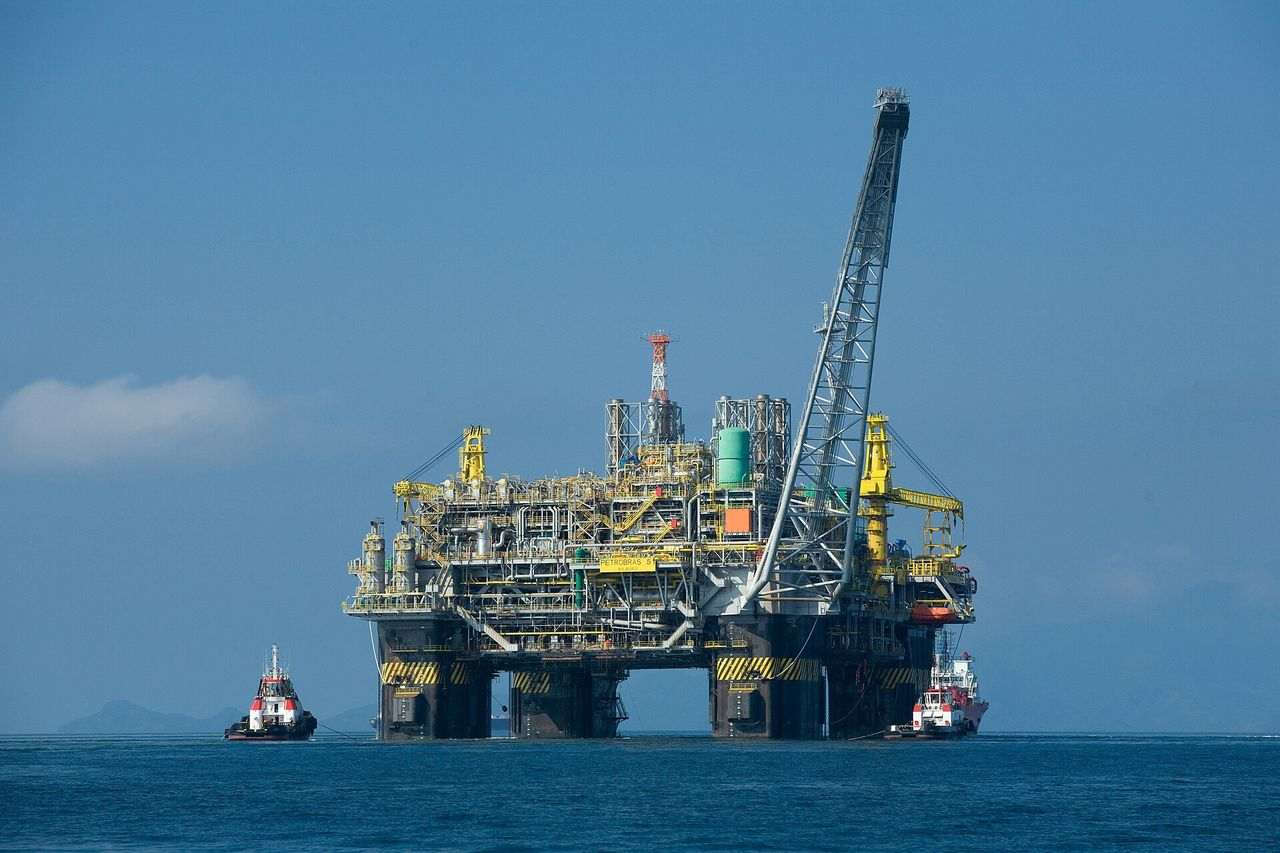
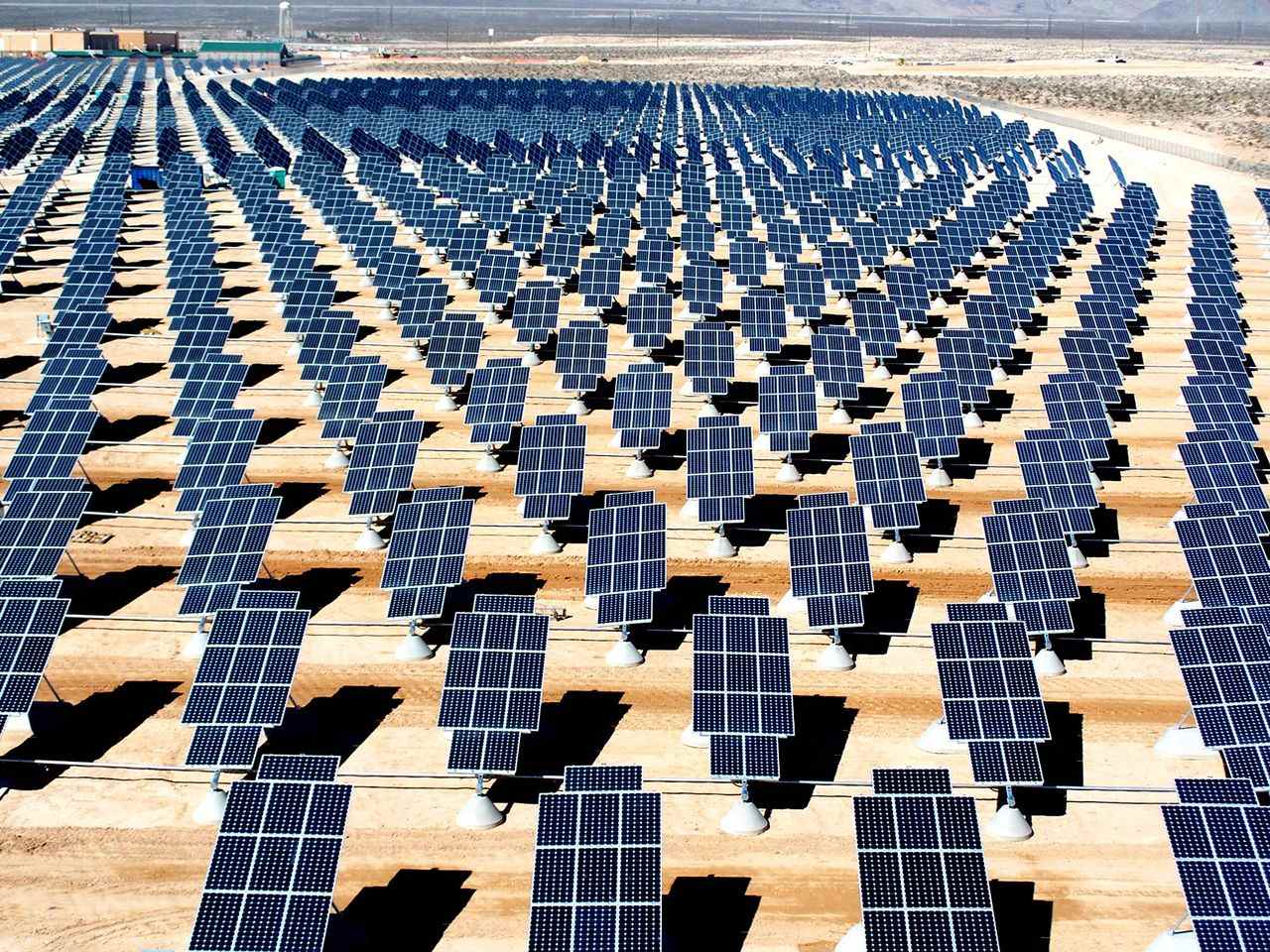
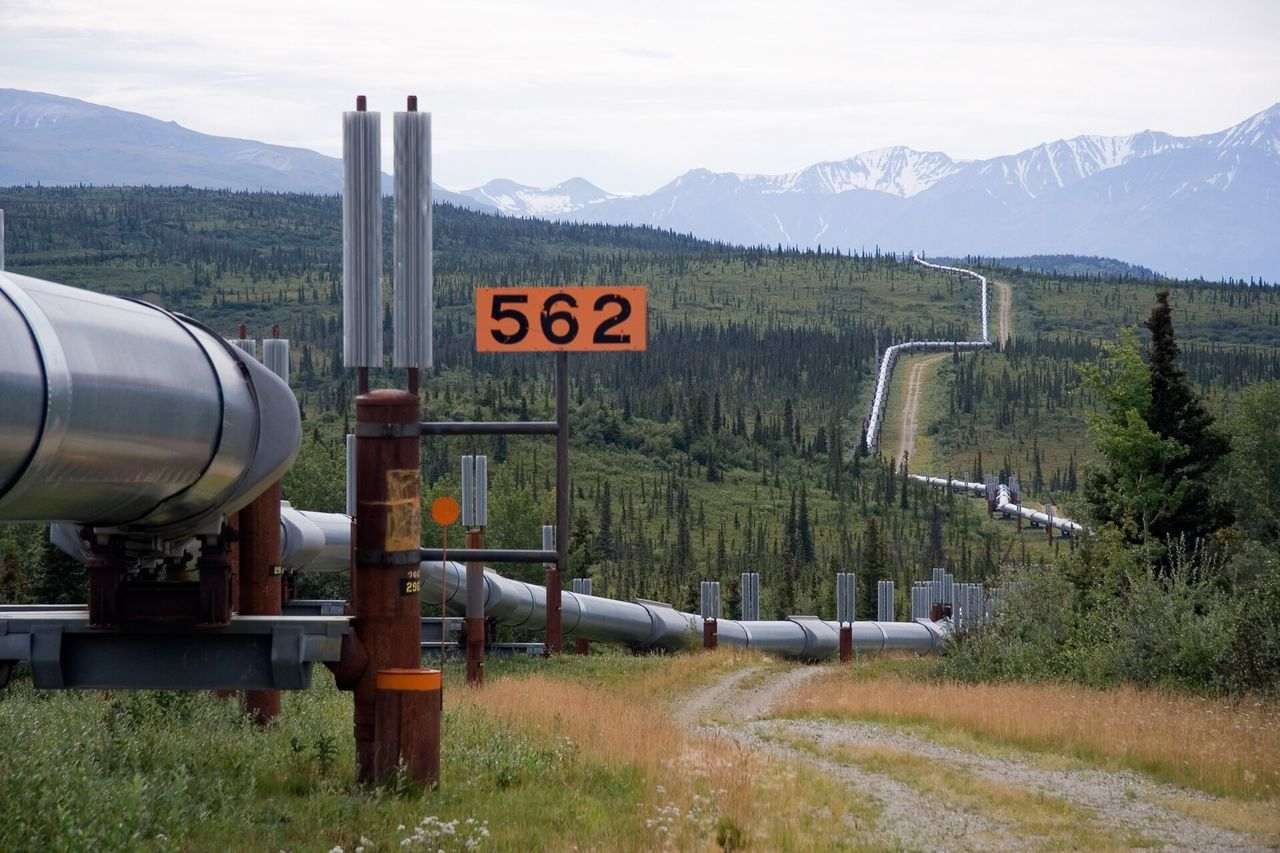
Hero banner, left to right: P-51 semi-submersible oil platform, 2009 · Divulgação Petrobras / Agência Brasil, CC BY 3.0 BR · Nellis Solar Power Plant, Nevada, 2007 · U.S. Air Force photo by A1C Nadine Y. Barclay, public domain · Trans-Alaska Pipeline System, 2005 · photo © Luca Galuzzi (lucnix.be), CC BY-SA 2.5. Images hotlinked from Wikimedia Commons; each license verified on the file’s source page.
Quote Bank
The best on-the-record lines, gathered in one filterable place. “Highlight” marks the lines most worth scrubbing back for; quotes lightly condensed, timestamps approximate.
Riding the Bull ~3:45–12:50
- Highlight“They call it riding the bull: you’re trying to stay on the bull and keep the project on track for just eight seconds… People fall off all the time, and people always ask: why did you fall off the bull? Eight seconds, it’s not that long. Can’t you get this done?”
- Highlight“There’s no big red easy button that you can push that says: execute project.”
- “The traditional oil companies are shedding people, and the other companies are just desperate for people… there just aren’t enough people. And that’s not counting the data centers.”
- “I just think of it as a stream of activities now… the engineering phase needs to be sequenced to order materials and keep materials flowing into the project.”
- “Who’s gonna hire an oil company and give them money to do a project that old-fashioned way? It’s just not gelling.”
- “Right now there’s a lot of financial hucksters out there that are basically like: just gimme money and I’ll get some gas turbines and I’ll build you a power plant.”
- Highlight“How do you scale? You just need to have good plans and good people, that’s my first principles.”
The Energy Mix ~12:50–24:20
- Highlight“We’re like a cave diver, and we’ve gone all the way into the cave, and we might not have enough air to make it back out again.”
- Highlight“With solar you have to produce three times the energy you need in an eight-hour period so that you can go for 24 hours, and that’ll just get you to the next day.”
- “We have to figure out long-duration energy storage, which we’ve barely scratched the surface on.”
- “Battery storage is kind of like the Wild West. People have been going out there like landmen trying to buy land near electrical substations, pretty much all bought up now.”
- “A grid tie could take five or six years to get all the way through to where you can actually close the switch.”
- “The companies that aren’t getting tariffed, everybody wants to buy from, so their lead time just went through the roof… to plan and execute, you want predictability.”
Hot Rocks: Enhanced Geothermal ~24:20–31:00
- Highlight“What is the coolest renewable energy mix right now? It’s one that’s close to oil and gas but produces energy without producing CO2. It’s got all the ingredients.”
- “You inject water down one well, pump it through the rock through the fractures you’ve made, turn it into high-energy steam, and bring it up the other well. That’s enhanced geothermal in a nutshell.”
- “A good number for steam in a power plant is around 700 degrees Fahrenheit, and drilling and completion equipment from the oil field is just not there for that kind of temperature use yet.”
- Highlight“If you like science and math, go to college, become an electrical engineer. If you don’t wanna go to college, become an electrician. We need those people so badly in this country. The world needs them.”
AI & Modular ~31:00–41:00
- Highlight“Improvement in construction efficiency over the last 50 years, it’s not improved a lot. Manufacturing has improved dramatically. That’s what’s cool about modularization: turning part of the project into manufacturing.”
- “Finding the needle in the haystack of what’s going wrong on a project is very difficult… especially when you can’t be everywhere all the time.”
- “Why are people clicking from pipe support to route pipe these days? There’s probably something gonna happen there.”
- “Modularization isn’t gonna help you if every yard that builds modules is chockablock full building LNG plants.”
- “There’s intrinsic value in having the local people involved and invested in the success of the project.”
Coach, Not Commander ~41:00–54:30
- Highlight“Projects are built by people, a hundred percent. They don’t build themselves.”
- Highlight“The project manager is almost like a coach at this point: if you’ve got a really good team, you’re just helping them drive toward the goal line.”
- “If something’s going wrong, do you want me to text you, call you, email you? … You wanna communicate the way people like to communicate.”
- “People would never do projects if they weren’t optimists… when people work together as a team, there’s really nothing they can’t do.”
- “A lot of times the best technical solution is not the best overall solution.”
- “You want everybody, that’s worked on the project, that’s benefiting from it, that lives nearby, to be proud of that thing you did. That is your hallmark of success.”
- “We’re not making high-pressure flammable fluids, we’re making lithium hydroxide. Nothing was gonna blow up. That was something I learned by talking to everybody.”
The Next Generation ~54:30–1:10:30
- Highlight“Try ’em all, try everything. Say yes to everything. If somebody calls and says, do you wanna get on a helicopter and fly offshore tomorrow, can you be there at six in the morning? Say yes.”
- “Finding out what you’re curious about and what you’re interested in is probably more valuable than saying: go to this training class or go to this job board.”
- “When I looked at the college applications and I saw that there was offshore engineering, I just checked the box… and literally that’s how I got into Berkeley.”
- “If they see a way of doing things that they think is dumb, they’ll just wanna do it a better way… Set out the objective and the goal, and people are just incredible at finding really cool ways to do things.”
- Highlight“If you look at a solar panel from five years ago, the size, cost and output, and compare it to one today, it’s amazing. And look at cost and capacity for batteries: it’s the same situation.”
- “A gallon of diesel fuel just kicks the butt of every other kind of energy storage right now.”
- “When people don’t even notice what kind of energy they’re using is when you know it’s succeeding.”
Off-Grid & Critical Minerals ~1:10:30–end
- Highlight“Costco is building so fast, they could not get enough electricity to their facilities. So they just said: we’re gonna generate our own where we can.”
- “When you’re not even connected to the grid anymore, then you know you’re winning.”
- “Rare earths, some of those are not actually rare. Lithium is everywhere. But getting it into a form you can use in a battery is difficult. It takes a lot of processing.”
- “There are dirty ways to do it, and there are a few much cleaner ways that have been invented recently, and really we need to pivot to those.”
- Highlight“If you were to throw down a big curtain at the Pacific and a big curtain at the Atlantic, we would have trouble building what we need… We’re smart, we’ve got people that wanna do it, we just need the drive to do it ourselves.”
- “Everyone on the [critical minerals] list is found in Alaska… and a lot of these things you need a coastline for. A lot of opportunity there.”